

Article
How, when, and why to run an employee benefits survey
Employee engagement
13 min read
Recognition at work is about acknowledging people’s effort, intent, and impact – the everyday actions that drive collective success. It’s a reflection of how we value one another. When done well, recognition strengthens trust, belonging, and the invisible threads that hold teams together.
As psychotherapist and relationship expert Esther Perel writes, “People want to feel seen, valued, and included.” Recognition isn’t just about celebrating someone’s success; it’s a way to strengthen workplace connections. In this article, we’ll explore what recognition really means, why it’s essential to a healthy, high-performing culture, and how to build it within your own team.
So what does recognition actually look like in practice? It’s more than praise or performance awards; it’s about highlighting employees’ efforts, growth, and impact on their colleagues and your company.
Perel identifies recognition as one of three hidden dimensions underlying most relationship challenges: power and control, care and closeness, and respect and recognition. “Respect and recognition,” she writes, “is about integrity and self-worth.” In the workplace, that means helping people see that their contributions matter to those around them.
Recognition at work comes in two forms:
Formal recognition: Tangible rewards such as raises, bonuses, commissions, extra paid time off, or structured awards like Employee of the Month. These programs are typically criteria-based, consistent in cadence, and tied to measurable achievements.
Informal recognition: Everyday gestures of appreciation, like a quick thank-you in a 1-on-1, a message in Slack, or a shoutout during a team meeting. This type of recognition is often spontaneous, personal, and genuine.
Recognition is most effective when using both forms together. Formal recognition reinforces fairness and transparency, showing employees that great work is rewarded in consistent, measurable ways. Informal recognition, on the other hand, builds stronger relationships with peers and leaders, reminding people in real time that their efforts are seen and valued. When organizations implement both forms continuously, recognition becomes more than a program – it becomes a lasting part of your company culture.
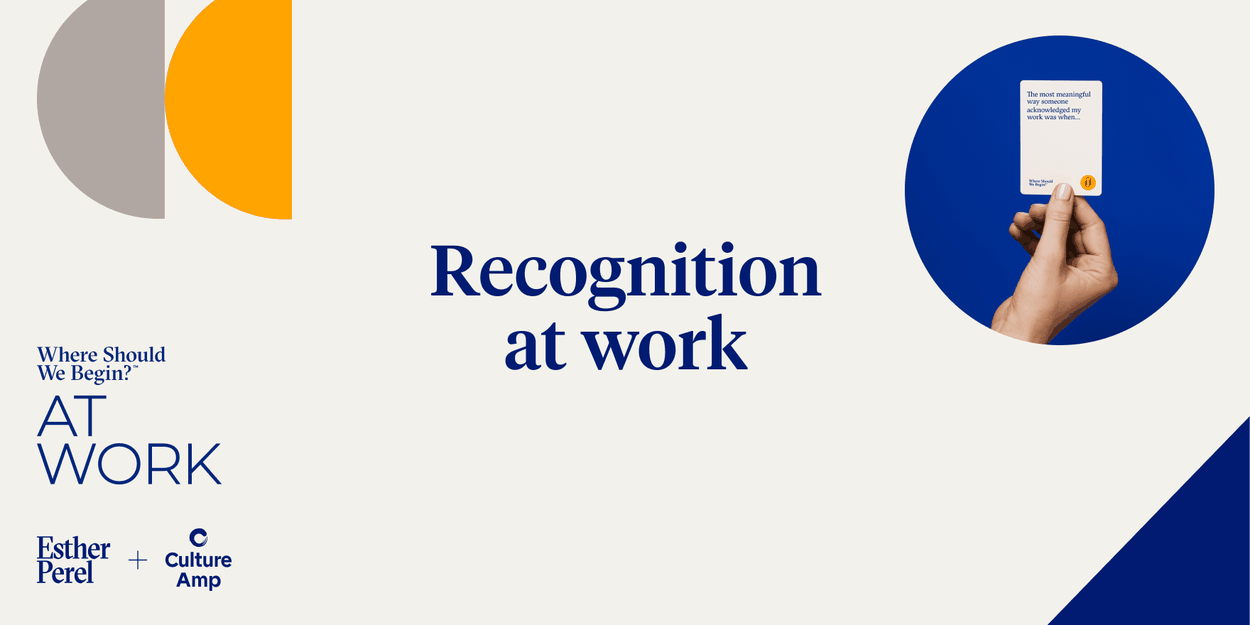
To help teams explore what recognition looks like in practice, Culture Amp and Esther Perel developed Where Should We Begin? At Work, a conversational card game that sparks honest dialogue about trust, belonging, resilience, and recognition.
One prompt from the game asks employees to share how they’d finish this sentence:
“The most meaningful way someone acknowledged my work was when…”
We posed this conversation starter to a few culture leaders. Here’s what they said:
“A founder paused during a high-stakes board meeting to say, ‘What made the difference this quarter wasn’t just the numbers – it was the way our people showed up. Thank you for helping us get here.’ It wasn’t scripted. It was a genuine moment of recognition in a room that usually celebrates growth charts.”
— Wristy, Fractional Director, People & Culture Consultant
“They shared the feedback with C-level executives, and it eventually trickled down to me. I had no idea that feedback was flowing upstream like that.”
— Julia Grassa, Business Owner
“As a Chief of Staff, when things run smoothly, people often don’t realize I’ve had a hand in it. Recently, someone saw something and said, ‘That has Casey all over it.’ That moment stuck with me – it made me feel proud, like I’m starting to leave a mark that’s quietly unmistakable.”
— Casey Boyles, Chief of Staff & Culture at Guild Education
Each of these moments – some public, some private – all demonstrate the same truth: Authentic recognition makes people feel seen.
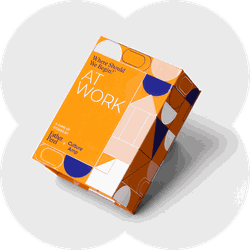
Try out Culture Amp and Esther Perel’s Where Should We Begin? At Work game.
It’s easy to assume recognition will happen naturally – that managers will say thank you in 1-on-1s or give casual shoutouts in team meetings. But without a formal program and specific guidelines, it’s hard to make recognition consistent, fair, or part of your culture. And more often than not, recognition doesn’t happen on its own. Culture Amp data shows that recognition has been declining steadily since 2022, and only 68% of employees agree they receive the right amount of recognition – yet those who do are 25% more likely to be engaged.
When recognition is consistent and authentic, it has a measurable impact on your organization. It fuels:
Employee engagement: When employees feel valued, they’re more motivated and committed. Nearly 84% of employees say recognition improves their motivation to succeed at work.
Belonging: Regular recognition strengthens relationships and inclusion, especially when it comes from multiple sources like managers, peers, cross-functional colleagues, and senior leaders.
High performance: Recognition reinforces what “good” looks like, while the right rewards motivate employees to go above and beyond. Culture Amp data shows that employees who agree they are valued by their manager report 74% higher productivity than their peers.
Talent retention: Employees who feel seen are more likely to stay. Gallup research found that well-recognized employees were 45% less likely to leave their company two years later.
Employee well-being: Recognition reminds employees that their efforts matter. It strengthens workplace connections and builds emotional resilience – especially in times of stress, change, or uncertainty.
In short: Recognition isn’t a perk; it’s a performance driver. Embedding both formal and informal recognition into your culture helps employees feel seen, valued, and inspired to do their best work.
Recognition doesn’t have to be grand, just genuine. Here are a few ways managers and leaders can make it part of everyday culture:
Don’t wait for performance reviews or major milestones to show appreciation. Build recognition into your weekly rituals and processes. For example:
Ask employees to nominate a peer who’s gone above and beyond that month and spotlight them in a team meeting
Carve out time in your ongoing 1-on-1s for feedback and praise
Create a dedicated Slack or Teams channel for quick, casual kudos between teammates
Use a peer-to-peer recognition software like Culture Amp Shoutouts to amplify those moments more formally and connect each shoutout to company values
By offering multiple ways for people to recognize one another (both publicly and privately), you can help keep appreciation top of mind year-round. Over time, this can create a positive feedback loop inspiring employees to celebrate each other more and more often.
Just like feedback, the best recognition is detailed and clear. While a general “You’ve been doing a great job” is nice to hear, it doesn’t tell the employee what they did well. Pointing out specific actions or behaviors – like how they handled a difficult client call or led a successful team project – helps them understand exactly what you and your company valued. This not only reinforces the behavior you want to see more of, but also shows that you notice and appreciate their unique contributions.
Recognition isn’t one-size-fits-all. While some employees might thrive on public praise during an all-hands meeting, others prefer a more private thank-you. Tailor your approach to the individual by asking how they like to be recognized. Matching your recognition style to their preferences ensures it feels authentic.
Linking recognition to company values helps bring those values to life. Encourage employees to highlight how their peers embody company values in everyday work. For example, “Thanks for demonstrating our value of collaboration and ownership by helping the product team meet the project launch deadline.” Tools like Culture Amp Shoutouts make this simple by allowing employees to tag specific values in their recognition, reinforcing what your culture looks like in action.
While peer-to-peer recognition tools allow everyone in the organization to acknowledge and celebrate hard work, it’s still important to model the behaviors you want to see as a leader. When leaders express appreciation authentically, others follow suit. Make sure you’re regularly recognizing your employees in team and department meetings, 1-on-1s, and by using your company’s recognition tools or instant messaging channels. When employees see their leaders valuing and celebrating others, they’ll follow your lead and help build a culture of ongoing appreciation.
Even the healthiest workplace cultures can experience periods when recognition takes a back seat, especially in high-pressure, fast-scaling environments. But when recognition fades, its absence is often felt deeply. It erodes morale, trust, and motivation – and those cracks can quickly spread through a team’s culture.
Here are a few ways a lack of recognition can manifest in the workplace:
Leaders who only critique, never praise. This may foster an environment where employees fear failure, anticipate blame, and eventually burn out. Without balanced feedback, growth can feel impossible.
Employees may question whether the company needs them. This can create a power imbalance and lead to growing resentment, disengagement, and quiet quitting.
Unrealistic goals that push employees past their limits. When people chase impossible standards to prove their worth, they often burn out in the process.
Weaker peer relationships. When teammates stop celebrating one another’s wins, collaboration may turn to competition – or worse, employees trying to take credit for others’ efforts.
In cultures like these, employees are left questioning their value, unsure if anyone notices their effort or cares about their growth. During such periods, Perel suggests initiating a reset to get back on track:
“If you are personally causing others to feel undervalued, take every opportunity you can to dispel the myth of the lone genius. Anticipate what your actions might symbolize to someone else and recognize the validity of others’ reactions,” she says. “And if you’re the one feeling small, take stock of where you are. Sometimes it’s good to know when it’s time to leave. Regardless of if you have a choice in the matter, it’s time to start engaging in meaningful conversations with key people.”
Here’s what we can draw from Perel’s advice:
Managers: If your actions have made someone feel undervalued, acknowledge it and change your behavior. Start highlighting great effort and work in 1-on-1s, instant messaging channels, and meetings.
Employees: If you’re feeling small or unseen, start conversations with your manager and allies. Ask them for feedback in real-time to understand how you’re doing and what you could do better.
HR teams: Equip managers with the tools, prompts, and language they need to make recognition a part of everyday conversations. Recognize managers who recognize others, and make space in systems and rituals for appreciation to happen.
Recognition is everyone’s responsibility. HR teams can create the systems and processes that make it consistent and fair. Managers and employees bring it to life through everyday appreciation, meaningful feedback, and celebrating wins both big and small.
But recognition isn’t one-size-fits-all. How people want to be recognized varies widely. Gallup research shows that only 10% of employees have ever been asked how they like to be recognized for their accomplishments.
To start that conversation, tools like Culture Amp and Esther Perel’s Where Should We Begin? At Work conversation cards can help teams explore what meaningful recognition looks like for each person. Try the card game today to help your people feel seen in the ways that matter to them and ensure recognition becomes a genuine part of your culture.


Unlock the 47% advantage: A guide for modern leaders.
Article
Article
Article