
Article
Employee attrition: What it is and how to calculate it
Employee engagement
9 min read
Written by

Writer, Culture Amp
There’s strength in numbers – especially when facing adversity. While individual resilience is powerful, the reality is that most of us don’t navigate hardship alone. We rely on the relationships we have with our teams and communities to help us stay grounded through the good times and the bad.
In the workplace, this collective support can make the difference between simply enduring a difficult moment and growing through it. When people feel connected to, supported, and backed by their team, they’re more likely to adapt, persevere, and find new ways forward. That’s the power of collective resilience: Responding to adversity together reinforces trust and strengthens the group’s ability to navigate whatever comes next.
Let’s explore what collective resilience is, how it shows up in today’s workplace, and how managers can create an environment where employees band together when challenges arise.
Collective resilience is a team’s ability to navigate adversity, adapt to change, and support one another through challenging or uncertain times. It’s how a group manages hardship together by drawing on each other’s shared strengths, relationships, and resources.
As Esther Perel, psychotherapist, relationship expert, and co-creator of Where Should We Begin? At Work, puts it on her Where Should We Begin? podcast, collective resilience is when “we come together and tap into [our collective resources] to help us deal with this crisis rather than to fracture and fragment.” When people feel connected and supported by those around them, they’re more likely to navigate periods of disruption with a sense of purpose and direction.
Individual resilience focuses on one person’s emotional and physical capacity to overcome a challenge. Collective resilience, on the other hand, is about how a group adapts, supports one another, and grows together as they experience adversity.
In the workplace, this “collective” might be your immediate team, your department, or even your entire organization. By leaning on the people around you when challenges arise – rather than facing hardship alone – you can more easily overcome setbacks and find a way forward together.
Collective resilience doesn’t replace individual resilience but amplifies it. When employees feel connected and supported, they’re more likely to show up with compassion and confidence even during difficult moments. That kind of support can make all the difference, often leaving teammates saying, “I couldn’t have done it without you.”
Collective resilience shows up in everyday moments in the workplace, not only during major crises. For example, it might look like:
A team supporting one another emotionally after a peer’s voluntary or involuntary departure
A project group rethinking their strategy after budget cuts change the scope of their work
A department creating space to openly discuss uncertainty during a reorganization
A team rallying together to finish a project before an unexpected deadline
Colleagues stepping in to help redistribute workloads during an unexpected surge in demand
In each case, the group faces adversity together by communicating clearly, offering support, and collaborating to find a path forward as a unified team.
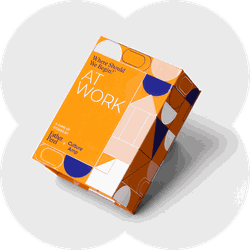
To help managers better understand their teams, Culture Amp partnered with Esther Perel to create Where Should We Begin? At Work, a conversation card game designed to spark honest dialogue about trust, belonging, recognition, and collective resilience.
One of the card prompts in this game is, “I feel safe speaking up at work when…”, which touches on psychological safety, a key foundational element of collective resilience. We asked HR leaders to share their own answers to this prompt.
Wristy, a fractional people director and consultant, feels safest when “there’s a genuine culture of listening, not just hearing.” She adds, “Psychological safety isn’t a slide in the onboarding deck – it’s how leaders react in micro-moments. I’ve felt safest when my ideas weren’t met with defensiveness or silence, but curiosity – even if they challenged the norm. As a people director, I try to role-model that by slowing down when someone shares something vulnerable or messy – and responding with ‘Tell me more.’ That pause creates room for courage."
As Wristy points out, small moments build trust. And over time, these moments shape a culture where people feel empowered to speak honestly. When a team consistently feels psychologically safe, collective resilience becomes possible. People can raise difficult topics early, repair misunderstandings before they fracture relationships, and navigate uncertainty together to emerge stronger on the other side.
Today’s workplaces sometimes feel overwhelming. Constant change requires employees to adapt quickly, often without the time or space to recover emotionally; remote and hybrid work can leave people feeling disconnected from their colleagues; and chronic burnout means many employees have less capacity to support one another when challenges arise.
That’s exactly why investing in collective resilience matters. Amid all of these modern workplace challenges, teams need to support each other in order to protect their wellbeing. In fact, stronger collective resilience can lead to:
Higher performance. Culture Amp data shows that when employees feel like they are truly part of a team, they’re 31% more likely to be rated as a high performer. A sense of belonging doesn’t just feel good – it fuels better business outcomes.
Open communication and faster problem-solving. When employees feel connected to their colleagues, they’re more willing to share challenges early and ask for help when it matters. This openness leads to clearer communication, fewer bottlenecks, and quicker solutions.
More effective risk-taking. Teams with psychological safety learn more from setbacks because they feel safe trying new things. Culture Amp found that employees who sustain high performance across multiple cycles are 83% favorable on the statement “I feel safe to take risks” – 9% higher than those who achieve high performance only once. Psychological safety empowers teams to experiment, recover, and grow.
Stronger adaptability. Change is inevitable, but a connected team is better prepared to weather uncertainty. When people trust one another, they can regroup quickly, share the mental load, and navigate difficult periods with greater clarity and confidence.
Collective resilience doesn’t remove adversity. It gives teams the foundation to navigate it together – and emerge more connected, more capable, and stronger on the other side.
Collective resilience isn’t built in a single moment of connection. Rather, it’s developed slowly over time through shared experiences and consistent habits. Wondering where to start? Here are three steps you can take today to strengthen workplace relationships and build a more resilient team for the future.
You can’t move forward without making time to reflect and learn from the past. After sprints, product launches, or other stressful periods for your team, schedule structured debriefs to review:
What worked?
What didn’t?
What did we learn?
These conversations give people a moment to pause, process, and reconnect before diving into what’s next. They also help teams understand the story behind their successes and challenges. By turning difficult moments into opportunities for growth, these rituals can strengthen your team’s ability to adapt together.
Any form of change or conflict can be stressful for employees. To ease their concerns, communicate clearly and often and share any additional context you can. Give people space to have a voice, ask questions, and talk through their emotions – even the difficult ones. When teams can process change together, they’re less likely to feel isolated or overwhelmed.
Even if the challenge is out of your hands, creating a safe space for employees to express frustration, fear, or even hope helps them feel closer to their peers. It reinforces the message that they’re not navigating change alone, but with the support of their team.
Employees won’t naturally come together in tough times if they don’t first feel connected to their peers. To build collective resilience, make an ongoing effort to prioritize belonging, trust, psychological safety, and recognition – the building blocks of strong, connected teams.
Esther Perel suggests encouraging employees to share a little about themselves at the start of meetings or 1-on-1s. These small moments of openness help people see one another as humans first, colleagues second. You can use prompts from the Where Should We Begin? At Work game to grow resilience through connection, trust, and honest dialogue. Over time, these personal connections make it easier for teams to collaborate, navigate conflict, and support one another when challenges arise.
Employees who feel connected to their teams are more likely to show up authentically, ask for help when needed, and stay engaged during periods of uncertainty – all essential elements of collective resilience.
Resilience is tested and built through adversity. Teams become stronger not by avoiding difficulty, but by facing it together. Through intentional practices like listening, fostering psychological safety, and building connection, you can create supportive, resilient teams.
Tools like Culture Amp and Esther Perel’s Where Should We Begin? At Work conversation cards can help you lead the kind of conversations that strengthen trust, deepen understanding, and make it easier for teams to face challenges collectively. These conversations encourage people to share openly, listen with curiosity, and recognize the experiences that shape how they show up at work.
There’s strength in numbers – especially when facing adversity. While individual resilience is powerful, the reality is that most of us don’t navigate hardship alone. We rely on the relationships we have with our teams and communities to help us stay grounded through the good times and the bad. In the workplace, this collective support can make the difference between simply enduring a difficult moment and growing through it. When people feel connected to, supported, and backed by their team, they’re more likely to adapt, persevere, and find new ways forward. That’s the power of collective resilience: Responding to adversity together reinforces trust and strengthens the group’s ability to navigate whatever comes next. Let’s explore what collective resilience is, how it shows up in today’s workplace, and how managers can create an environment where employees band together when challenges arise. What is collective resilience? Collective resilience is a team’s ability to navigate adversity, adapt to change, and support one another through challenging or uncertain times. It’s how a group manages hardship together by drawing on each other’s shared strengths, relationships, and resources. As Esther Perel, psychotherapist, relationship expert, and co-creator of Where Should We Begin? At Work, puts it on her Where Should We Begin? podcast, collective resilience is when “we come together and tap into [our collective resources] to help us deal with this crisis rather than to fracture and fragment.” When people feel connected and supported by those around them, they’re more likely to navigate periods of disruption with a sense of purpose and direction. Individual vs. collective resilience Individual resilience focuses on one person’s emotional and physical capacity to overcome a challenge. Collective resilience, on the other hand, is about how a group adapts, supports one another, and grows together as they experience adversity. In the workplace, this “collective” might be your immediate team, your department, or even your entire organization. By leaning on the people around you when challenges arise – rather than facing hardship alone – you can more easily overcome setbacks and find a way forward together. Collective resilience doesn’t replace individual resilience but amplifies it. When employees feel connected and supported, they’re more likely to show up with compassion and confidence even during difficult moments. That kind of support can make all the difference, often leaving teammates saying, “I couldn’t have done it without you.” Collective resilience in the workplace Collective resilience shows up in everyday moments in the workplace, not only during major crises. For example, it might look like: A team supporting one another emotionally after a peer’s voluntary or involuntary departure A project group rethinking their strategy after budget cuts change the scope of their work A department creating space to openly discuss uncertainty during a reorganization A team rallying together to finish a project before an unexpected deadline Colleagues stepping in to help redistribute workloads during an unexpected surge in demand In each case, the group faces adversity together by communicating clearly, offering support, and collaborating to find a path forward as a unified team. To help managers better understand their teams, Culture Amp partnered with Esther Perel to create Where Should We Begin? At Work, a conversation card game designed to spark honest dialogue about trust, belonging, recognition, and collective resilience. One of the card prompts in this game is, “I feel safe speaking up at work when…”, which touches on psychological safety, a key foundational element of collective resilience. We asked HR leaders to share their own answers to this prompt. Wristy, a fractional people director and consultant, feels safest when “there’s a genuine culture of listening, not just hearing.” She adds, “Psychological safety isn’t a slide in the onboarding deck – it’s how leaders react in micro-moments. I’ve felt safest when my ideas weren’t met with defensiveness or silence, but curiosity – even if they challenged the norm. As a people director, I try to role-model that by slowing down when someone shares something vulnerable or messy – and responding with ‘Tell me more.’ That pause creates room for courage." As Wristy points out, small moments build trust. And over time, these moments shape a culture where people feel empowered to speak honestly. When a team consistently feels psychologically safe, collective resilience becomes possible. People can raise difficult topics early, repair misunderstandings before they fracture relationships, and move through uncertainty together to come out stronger on the other side. Why collective resilience matters for performance and wellbeing Today’s workplaces sometimes feel overwhelming. Constant change requires employees to adapt quickly, often without the time or space to recover emotionally; remote and hybrid work can leave people feeling disconnected from their colleagues; and chronic burnout means many employees have less capacity to support one another when challenges arise. That’s exactly why investing in collective resilience matters. Amid all of these modern workplace challenges, teams need to support each other in order to protect their wellbeing. In fact, stronger collective resilience can lead to: Higher performance Culture Amp data shows that when employees feel like they are truly part of a team, they’re 31% more likely to be rated as a high performer. A sense of belonging doesn’t just feel good – it fuels better business outcomes. Open communication and faster problem-solving When employees feel connected to their colleagues, they’re more willing to share challenges early and ask for help when it matters. This openness leads to clearer communication, fewer bottlenecks, and quicker solutions. More effective risk-taking Teams with psychological safety learn more from setbacks because they feel safe trying new things. Culture Amp found that employees who sustain high performance across multiple cycles are 83% favorable on the statement “I feel safe to take risks” – 9% higher than those who achieve high performance only once. Psychological safety empowers teams to experiment, recover, and grow. Stronger adaptability Change is inevitable, but a connected team is better prepared to weather uncertainty. When people trust one another, they can regroup quickly, share the mental load together, and navigate difficult periods with more clarity and confidence. Collective resilience doesn’t remove adversity. It gives teams the foundation to navigate it together – and emerge more connected, more capable, and stronger on the other side. How managers can build collective resilience Collective resilience isn’t built in a single moment of connection. Rather, it’s developed slowly over time through shared experiences and consistent habits. Wondering where to start? Here are three steps you can take today to strengthen workplace relationships and build a more resilient team for the future. Create rituals for reflection You can’t move forward without making time to reflect and learn from the past. After sprints, product launches, or other stressful periods for your team, schedule structured debriefs to review: What worked? What didn’t? What did we learn? These conversations give people a moment to pause, process, and reconnect before diving into what’s next. They also help teams understand the story behind their successes and challenges. By turning difficult moments into opportunities for growth, these rituals can strengthen your team’s ability to adapt together. Come together as a team during periods of change Any form of change or conflict can be stressful for employees. To ease their concerns, communicate clearly and often and share any additional context you can. Give people space to have a voice, ask questions, and talk through their emotions – even the difficult ones. When teams can process change together, they’re less likely to feel isolated or overwhelmed. Even if the challenge is out of your hands, creating a safe space for employees to express frustration, fear, or even hope helps them feel closer to their peers. It reinforces the message that they’re not navigating change alone, but with the support of their team. Strengthen team relationships year-round Employees won’t naturally come together in tough times if they don’t first feel connected to their peers. To build collective resilience, make an ongoing effort to prioritize belonging, trust, psychological safety, and recognition – the building blocks of strong, connected teams. Esther Perel suggests encouraging employees to share a little about themselves at the start of meetings or 1-on-1s. These small moments of openness help people see one another as humans first, colleagues second. You can use prompts from the Where Should We Begin? At Work game to grow resilience through connection, trust, and honest dialogue. Over time, these personal connections make it easier for teams to collaborate, navigate conflict, and support one another when challenges arise. Employees who feel connected to their teams are more likely to show up authentically, ask for help when they need it, and stay engaged during periods of uncertainty – all essential elements of collective resilience. Build collective resilience with Esther Perel and Culture Amp Resilience is tested and built through adversity. Teams become stronger not by avoiding difficulty, but by facing it together. Through intentional practices like listening, fostering psychological safety, and building connection, you can create supportive, resilient teams. Tools like Culture Amp and Esther Perel’s Where Should We Begin? At Work conversation cards can help you lead the kind of conversations that strengthen trust, deepen understanding, and make it easier for teams to face challenges collectively. These conversations encourage people to share openly, listen with curiosity, and recognize the experiences that shape how they show up at work. Ready to have these conversations with your team? Try the card game yourself to begin building a stronger, more resilient team.


Unlock the 47% advantage: A guide for modern leaders.
Article
Article
Article